In a world full of mass-produced accessories, choosing materials with authenticity and meaning matters more than ever. That is exactly why real amber jewelry continues to attract people who value nature, history, and individuality. Unlike synthetic imitations, real amber offers more than visual beauty — it carries millions of years of natural formation and an unmistakable character.
At first glance, synthetic amber may look similar. However, when you look closer, the differences become impossible to ignore. From necklaces and bracelets to rings and even amber accessories like bottle stoppers, genuine amber stands apart in both quality and experience.
So why should you choose real amber over synthetic alternatives? Let’s explore.
What Is Real Amber?
Amber is fossilized tree resin that formed over millions of years. Unlike minerals, amber originates from ancient forests, where resin hardened slowly under natural conditions. Over time, heat and pressure transformed it into the warm, organic material we recognize today.
Most high-quality amber jewelry comes from the Baltic region. In fact, Baltic amber contains a high level of succinic acid, a natural compound rarely found in synthetic versions. This chemical signature helps experts distinguish genuine amber from plastic or glass imitations.
Synthetic amber, on the other hand, is man-made. Manufacturers usually create it from plastic, resin blends, or treated materials designed to mimic amber’s appearance. While it may look convincing at first, it lacks both authenticity and long-term value.
The Natural Beauty of Amber
One of the strongest reasons to choose real amber jewelry lies in its natural uniqueness.
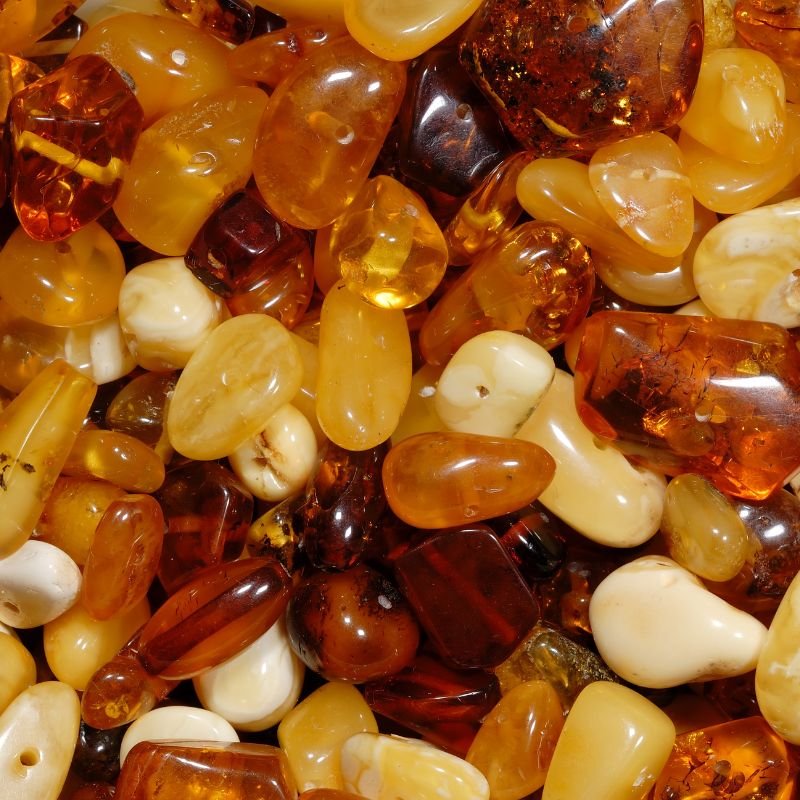
Each amber piece differs in:
- Color tone
- Transparency
- Internal texture
- Organic inclusions
As a result, no two amber necklaces or bracelets ever look exactly the same. Even when artisans shape them similarly, nature ensures individuality.
Synthetic alternatives aim for visual consistency. However, that uniform look often feels flat and lifeless. In contrast, amber interacts with light softly, creating depth rather than shine. Especially in matte or raw-finish pieces, amber reveals warmth instead of gloss.
Therefore, when you wear amber, you wear something that cannot be replicated.
Real Amber vs Synthetic Amber: Key Differences
Although synthetic amber may cost less, the long-term differences matter.
Authenticity and Origin
- Real amber forms naturally over millions of years
- Synthetic amber forms in factories within days
Texture and Feel
- Real amber feels warm and lightweight
- Synthetic materials often feel cold, heavier, or overly smooth
Aging Process
- Real amber develops a deeper patina
- Synthetic amber may discolor, crack, or lose clarity
Value
- Genuine amber retains value and emotional significance
- Synthetic alternatives usually do not
Because of these differences, real amber jewelry offers both emotional and material benefits.
Why Amber Necklaces Stand Out
Amber necklaces remain one of the most popular ways to wear this ancient material. Thanks to amber’s lightweight nature, even chunky necklaces feel comfortable around the neck.
Moreover, amber necklaces age beautifully. With regular wear, the surface becomes smoother and richer in tone. This transformation adds character rather than wear.
Synthetic necklaces rarely improve with time. Instead, they often scratch or dull quickly. As a result, they lose appeal rather than gain it.
In addition, amber necklaces pair well with both casual and elegant outfits. Whether polished or raw, they always feel grounded and organic.

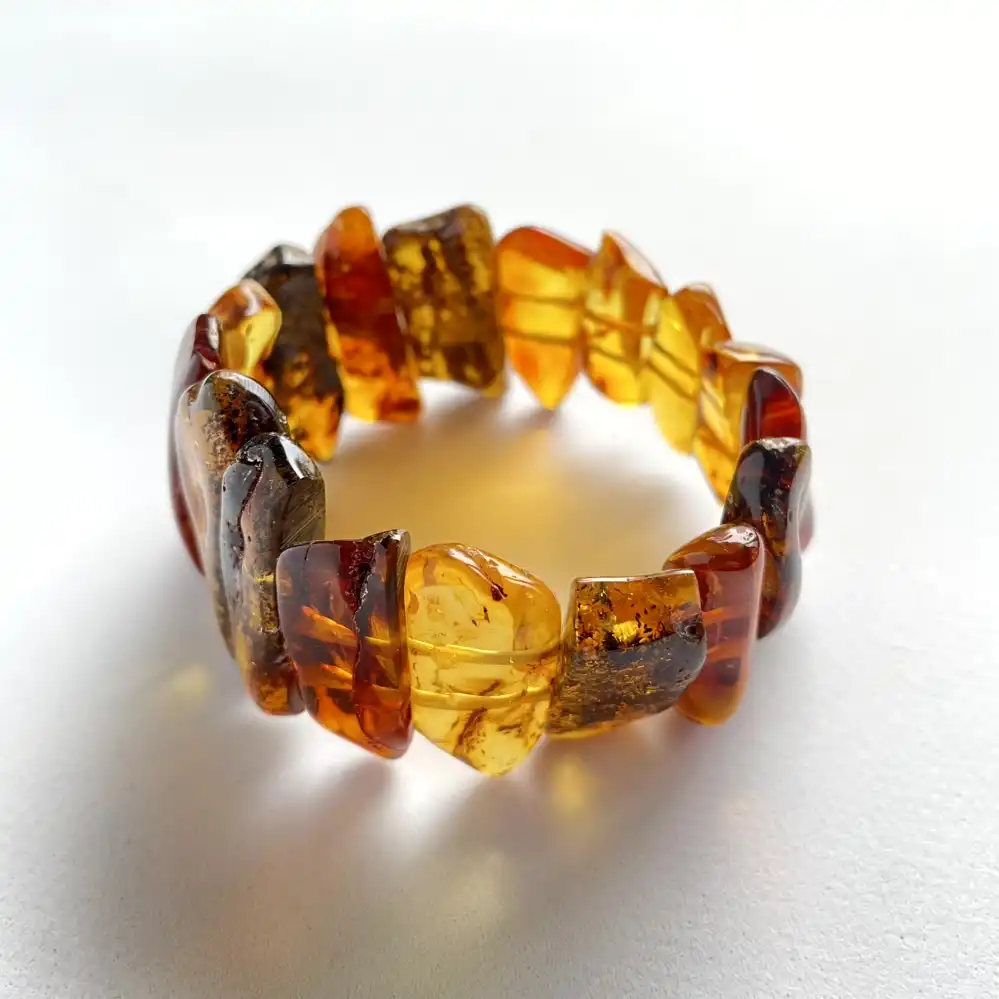
The Unique Appeal of Amber Bracelets
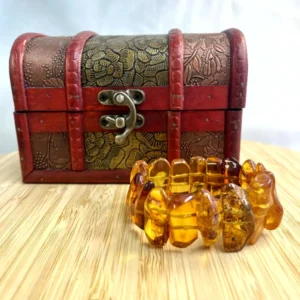
Amber bracelets offer daily comfort and timeless style. Since amber weighs far less than stone or glass, bracelets never feel heavy on the wrist.
Another advantage involves durability. Amber absorbs small impacts better than rigid synthetic materials. While amber is not indestructible, it resists cracking more naturally.
Furthermore, many people appreciate amber bracelets for their traditional and cultural symbolism. Throughout history, they symbolized protection, balance, and connection to nature.
Synthetic versions lack this historical depth.
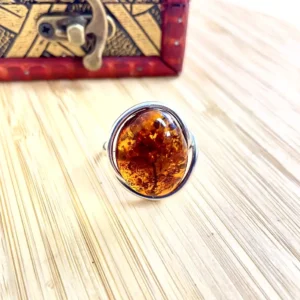
Why Amber Rings Feel Different
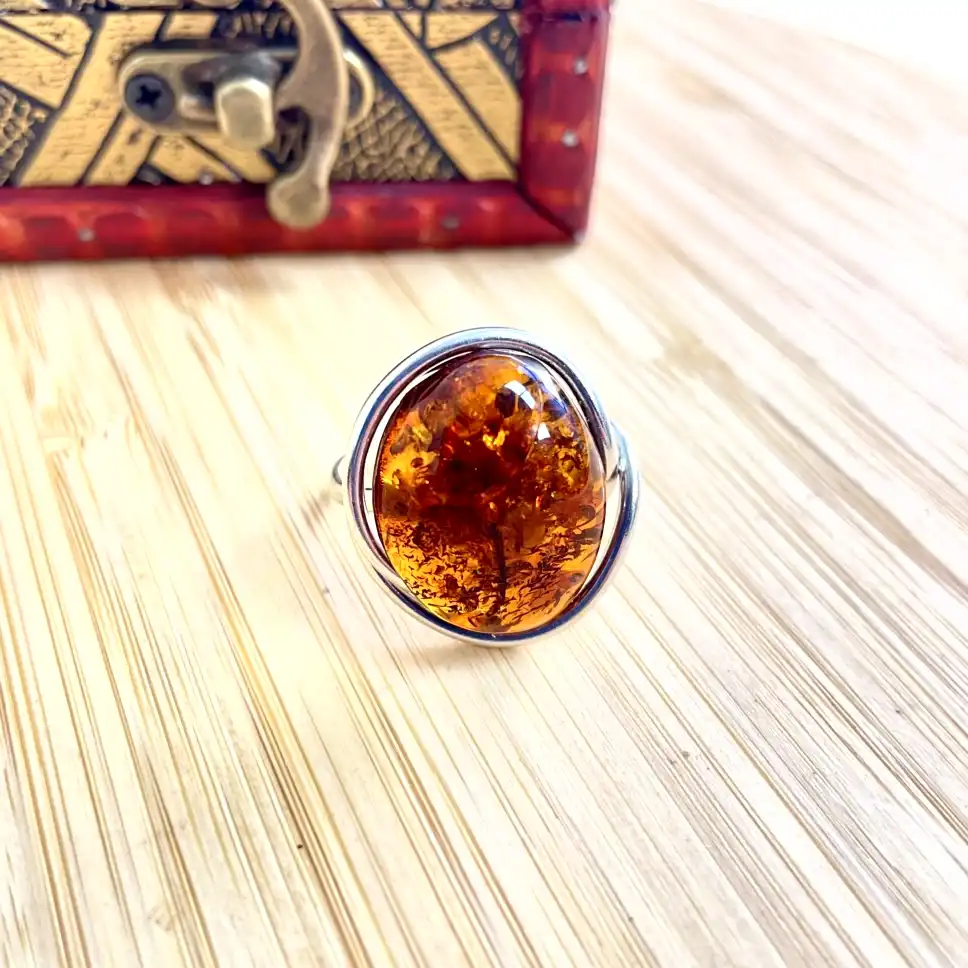
Rings demand both beauty and comfort. Fortunately, real amber rings excel at both.
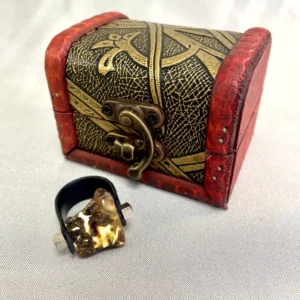
Because amber remains warm against the skin, rings feel pleasant even in cold weather. At the same time, amber’s organic structure creates subtle variations that catch the eye without overwhelming the design.
Synthetic amber rings often appear overly glossy or artificial. Additionally, they may feel stiff or cold, reducing wear comfort.
Amber rings, by contrast, feel alive — as if they respond to movement and touch.
Beyond Jewelry: Amber Accessories Like Bottle Stoppers
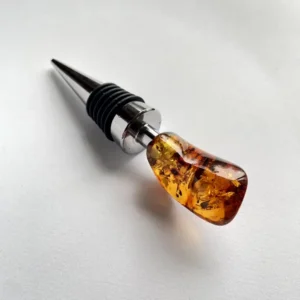
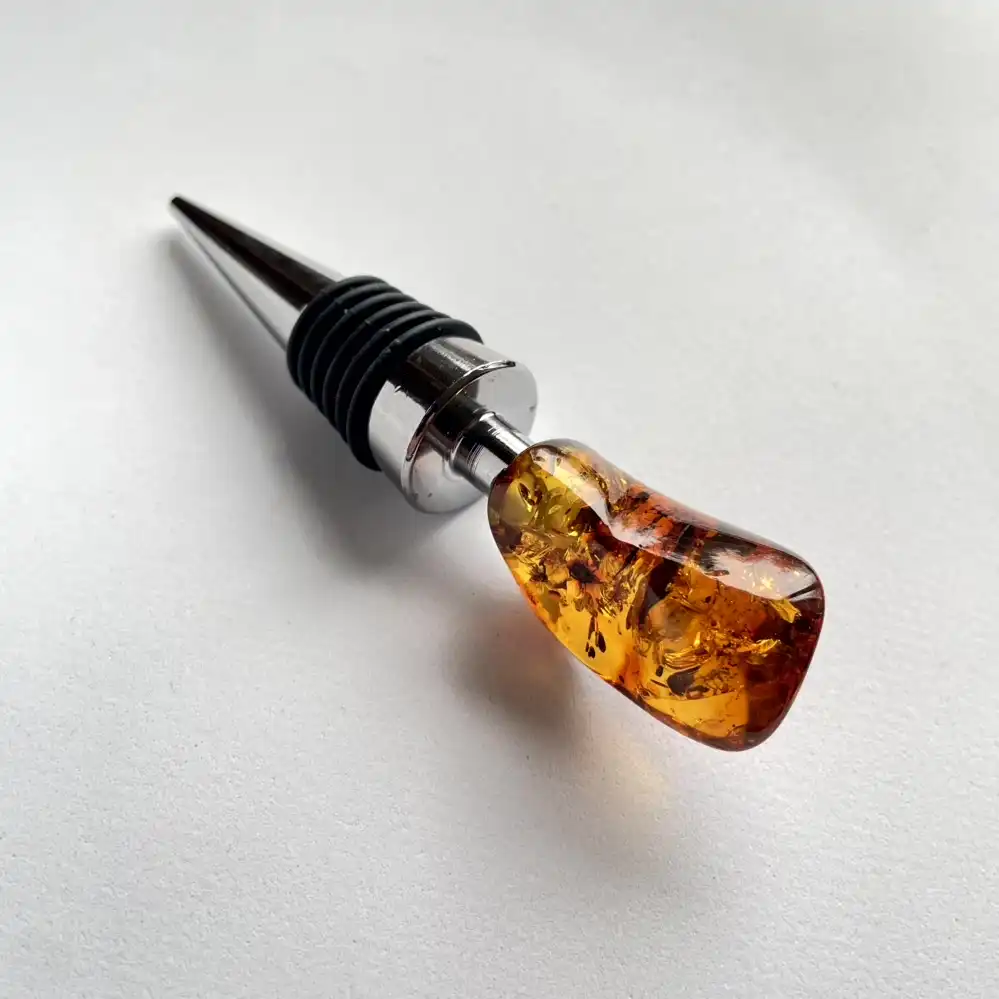
Real amber does not belong only in jewelry. Amber accessories, such as amber bottle stoppers, highlight how versatile this material truly is.
These accessories combine function with craftsmanship. A real amber bottle stopper adds warmth and authenticity to everyday rituals, whether for wine, oils, or spirits.
Synthetic stoppers may look decorative, yet they lack substance. Real amber accessories elevate simple objects into conversation pieces.
Moreover, such items reflect a lifestyle choice rather than a trend.
Sustainability and Ethical Considerations
Choosing real amber often aligns with more sustainable values.
Natural amber requires minimal processing compared to plastic-based synthetics. Many artisans use hand-polishing techniques instead of industrial methods. As a result, the environmental footprint remains smaller.
Additionally, when sourced responsibly, amber supports local craftsmanship rather than mass production. This approach preserves traditional skills and promotes ethical trade.
Synthetic alternatives, by contrast, rely heavily on petroleum-based materials and industrial manufacturing.
Emotional Value and Meaning
Real amber carries emotional weight that synthetic materials simply cannot replicate.
Each piece connects the wearer to:
- Ancient forests
- Natural time scales
- Earth’s history
Because of this, amber often becomes a sentimental item. People pass amber necklaces, bracelets, and rings from one generation to another.
Synthetic jewelry rarely earns that role.
How Real Amber Enhances Personal Style
Style trends change constantly. However, real amber remains timeless.
Amber adapts easily to:
- Minimalist fashion
- Rustic aesthetics
- Bohemian looks
- Elegant classic styles
Whether you choose a subtle amber ring or a bold necklace, the material never feels outdated. Instead, it blends effortlessly into different wardrobes.
Synthetic amber often follows trends too closely. Once trends shift, those pieces lose relevance.
Long-Term Value of Real Amber Jewelry
Although real amber jewelry may cost more initially, it offers better value over time.
Instead of replacing damaged or faded synthetic jewelry, real amber rewards patience. With proper care, it lasts decades and even improves in appearance.
Therefore, choosing genuine amber represents an investment rather than an expense.
Frequently Asked Questions
Q1: What is real amber compared to copal and plastic?
Real amber is fossilized tree resin that formed over millions of years. Copal is much younger resin, usually thousands to a few million years old, while plastic is a fully synthetic material designed to imitate amber’s appearance without natural origin.
Q2: How can you tell real amber by hand and eye?
Real amber often feels warm and lightweight when touched. It can become electrostatically charged, emit a subtle resin scent when warmed, float in saltwater, and show fluorescence under UV light. Copal and plastic usually behave differently in these tests.
Q3: Does copal ever contain insect inclusions?
Yes, copal can contain trapped insects and plant material, which makes it visually similar to real amber. However, copal reacts differently to heat, solvents, and aging, allowing experts to distinguish it from true fossilized amber.
Q4: Is pressed amber the same as fake amber?
No. Pressed amber, also known as reconstructed amber, consists of real amber fragments fused together using heat and pressure without synthetic additives. While it is less pure than solid amber, it is different from plastic or resin imitations.
Q5: Can plastic fakes pass basic amber tests?
Some advanced plastic imitations may pass one individual test. However, they rarely pass multiple tests together. Combining methods such as UV light, saltwater flotation, gentle heat, and scent evaluation provides stronger confidence when identifying real amber.
Q6: Should buyers always ask for laboratory verification?
For high-value amber jewelry or collectibles, laboratory verification is recommended. Techniques such as infrared spectroscopy or certified gemological testing can accurately confirm whether a piece is real amber rather than copal or synthetic material.
Final Thoughts: Why Real Amber Is Worth Choosing
When comparing real amber jewelry to synthetic alternatives, the conclusion becomes clear.
Real amber offers:
- Authentic natural origin
- Unique appearance
- Comfortable wear
- Emotional significance
- Long-term value
From necklaces and bracelets to rings and amber accessories like bottle stoppers, genuine amber elevates everyday items into meaningful pieces.
Ultimately, real amber does more than decorate. It connects you to nature, time, and craftsmanship — something no synthetic material can truly replace.